A full color-change wrap on a sedan or coupe in Las Vegas typically runs $2,500 to $6,000. Trucks, SUVs, and vans usually land between $3,200 and $7,000. Custom finishes like chrome, color-shift, or full luxury/exotic coverage push past $5,000 and can reach $8,500 or more. Those ranges hold across the shops we've compared and the real jobs local owners report, but the honest answer is that no two wraps cost the same, because no two cars, finishes, or design jobs are the same either.
What Changes the Price of a Car Wrap
Vehicle size drives most of the cost difference on its own. A compact sedan needs roughly 40 to 55 feet of vinyl. A full-size truck or van can need well over 100 feet. More surface area means more material and more labor hours, full stop.
Full coverage versus partial coverage is the next biggest lever. Wrapping the entire vehicle costs more than wrapping just the hood, roof, or mirrors, because you're paying for the material and the install time across the whole car instead of one panel.
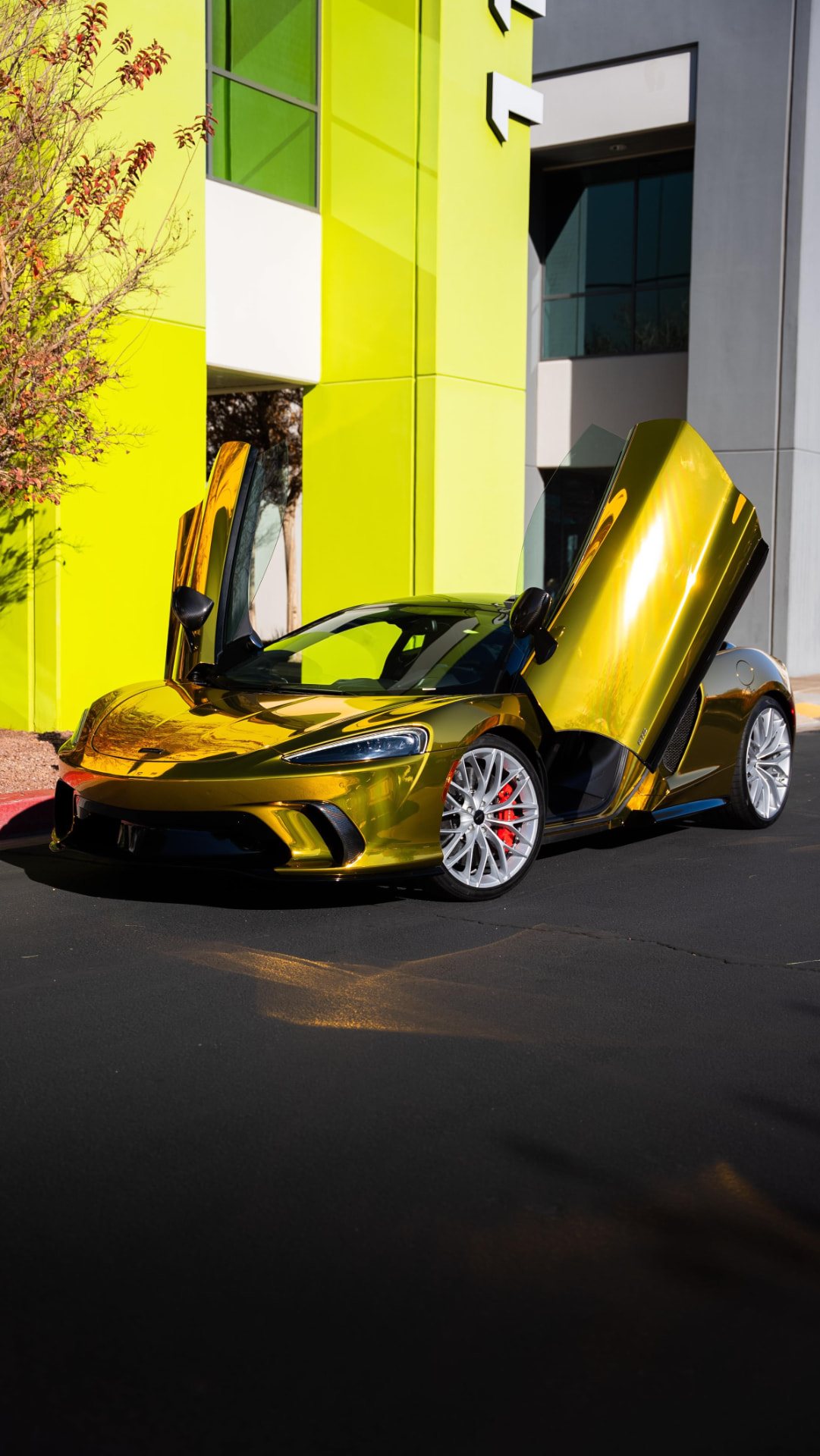
Material and finish tier matters more than most people expect. A standard gloss finish is the most straightforward to source and install. Matte and satin run a bit higher. Chrome, metallic, and color-shifting finishes cost more still, both because the film itself is pricier and because it takes a more experienced installer to lay it down without visible seams or distortion.
Design complexity adds cost when a wrap involves custom graphics, logos, or a multi-color layout instead of a single solid color. More design work up front and more precision during install both take time.
Disassembly and body kits push the number up too. A car with aftermarket bumpers, spoilers, or side skirts takes longer to wrap correctly around those pieces, and some jobs need partial disassembly to get a clean result.
The condition of your existing paint is the factor people forget. A wrap installed over chips, cracks, or peeling paint can trap that damage or make it worse when the wrap eventually comes off. If your paint needs attention first, expect that to add to the job.
Car Wrap Cost by Vehicle Type in Las Vegas
Here's what full-coverage wraps typically run by vehicle category, based on real Las Vegas installs and the broader market:
| Vehicle Type | Typical Full-Wrap Range |
|---|---|
| Sedan or coupe | $2,500 to $6,000 |
| Truck, SUV, or van | $3,200 to $7,000 |
| Luxury, exotic, or custom finish (chrome, color-shift) | $5,000 to $8,500+ |
| Partial wrap (hood, roof, mirrors) | $500 to $1,500 |
These are market ranges, not a quote. Your actual number depends on the specific factors above, which is why two sedans can land at opposite ends of the same range.
Full Wrap vs. Partial Wrap Cost
A full wrap covers every exterior panel, including the roof, hood, trunk, and mirrors, and it's the only option if you're changing the entire color or finish of the car. A partial wrap covers specific sections, most commonly the hood, roof, or mirrors, and it costs a fraction of a full wrap because you're paying for a fraction of the material and labor. Partial wraps make sense when you want an accent look or a specific style element rather than a full color change, and they're a reasonable way to test a finish before committing to the whole car.
What's Included in Your Wrap Quote
Two quotes for the same car can look wildly different, and the reason usually comes down to what's actually bundled into the number. A complete wrap quote should account for:
The vinyl itself. Material cost varies by brand and finish tier.
Design work. Any custom graphics, color layout, or logo placement.
Surface cleaning and prep. The car needs to be properly decontaminated before vinyl goes on, or the wrap won't adhere correctly.
Disassembly, if needed. Removing mirrors, trim, or badges for a clean wrap line.
Installation labor. The actual application, which is where experience shows up most.
A post-install inspection. Checking for lifted edges, trapped air, or seams that need attention before you drive off.
A quote that's dramatically lower than everything else you're seeing usually means one of these is missing, most often the prep work or a lower grade of vinyl. That doesn't automatically make it a bad deal, but it's worth asking exactly what's included before you compare numbers side by side.
Getting an Accurate Quote for Your Vehicle
The ranges above are a starting point, not your final price. The real number depends on your specific vehicle, the finish you want, and how much of the car you're covering. The most reliable way to get an accurate number is a real consultation where we can look at your vehicle and talk through what you actually want out of the wrap. You can get a quote for your vehicle directly, or take a look at our full vehicle wrap services page for everything we cover. For finishes, coverage options, and the full picture beyond just cost, see our complete car wrap guide. Still weighing a wrap against PPF or ceramic coating? We've compared all three side by side.
Frequently Asked Questions
Is it cheaper to wrap a car or paint it?
Wrapping is almost always cheaper than a professional paint job, especially for a full color change, since paint requires more labor-intensive prep and can't be reversed if you change your mind later. We cover the full wrap versus paint comparison, including durability and resale considerations, in a dedicated guide.
How long does a car wrap last in Las Vegas heat?
A quality wrap holds up for several years even in Las Vegas conditions, though direct sun exposure and where you park make a real difference. We break down realistic lifespan expectations by film quality and parking situation in our full longevity guide.
Can you wash a wrapped car?
Yes, but hand washing is the safer method, and automatic car washes with harsh brushes can lift edges or dull the finish over time. Our full wrap care guide covers safe washing methods and what to avoid.
Is DIY car wrapping actually cheaper?
The material alone can run a few hundred dollars for a single panel or up to around $1,500 for enough vinyl to cover a standard vehicle, but a botched DIY install can damage the paint underneath and often costs more to fix than a professional install would have cost in the first place. Unless you have real experience with vinyl application, the savings are smaller than they look on paper.
Does a car wrap damage the paint underneath?
A properly installed and properly removed wrap does not damage paint that's in good condition beforehand, and it can actually shield the original paint from minor scratches and UV exposure while it's on. The risk shows up when a car already has chips or peeling paint before the wrap goes on, since the wrap can trap that damage or make it worse on removal.