Professional car audio installation labor in Las Vegas runs $50 to $250 per component, and a full head unit, speaker, amplifier, and subwoofer install typically lands between $300 and $1,500 in labor and parts combined.
Most quotes blur two separate costs together: what the parts cost, and what it costs to have someone install them correctly. That's usually where the confusion starts. Here's each piece on its own, and what actually moves the total.
Labor and Parts Are Two Different Numbers
Labor is what a shop charges for the time and skill to install what you're adding, whether you bring your own gear or buy it through the shop. Parts are the head unit, speakers, amp, or subwoofer themselves, and their price has nothing to do with how hard they are to install.
A $600 amplifier and a $150 amplifier take roughly the same number of hours to mount and wire. A basic single-DIN head unit swap takes less labor than a touchscreen double-DIN unit with Apple CarPlay, because the second one usually means custom dash work and steering wheel control integration.
Cost by Component
Here's what installation labor typically runs per piece, based on current Las Vegas market rates for professional shops:
- In-dash head unit: $50 to $150 for a standard swap. Touchscreen units with CarPlay or Android Auto integration run toward the higher end because of dash fitment and wiring harness work.
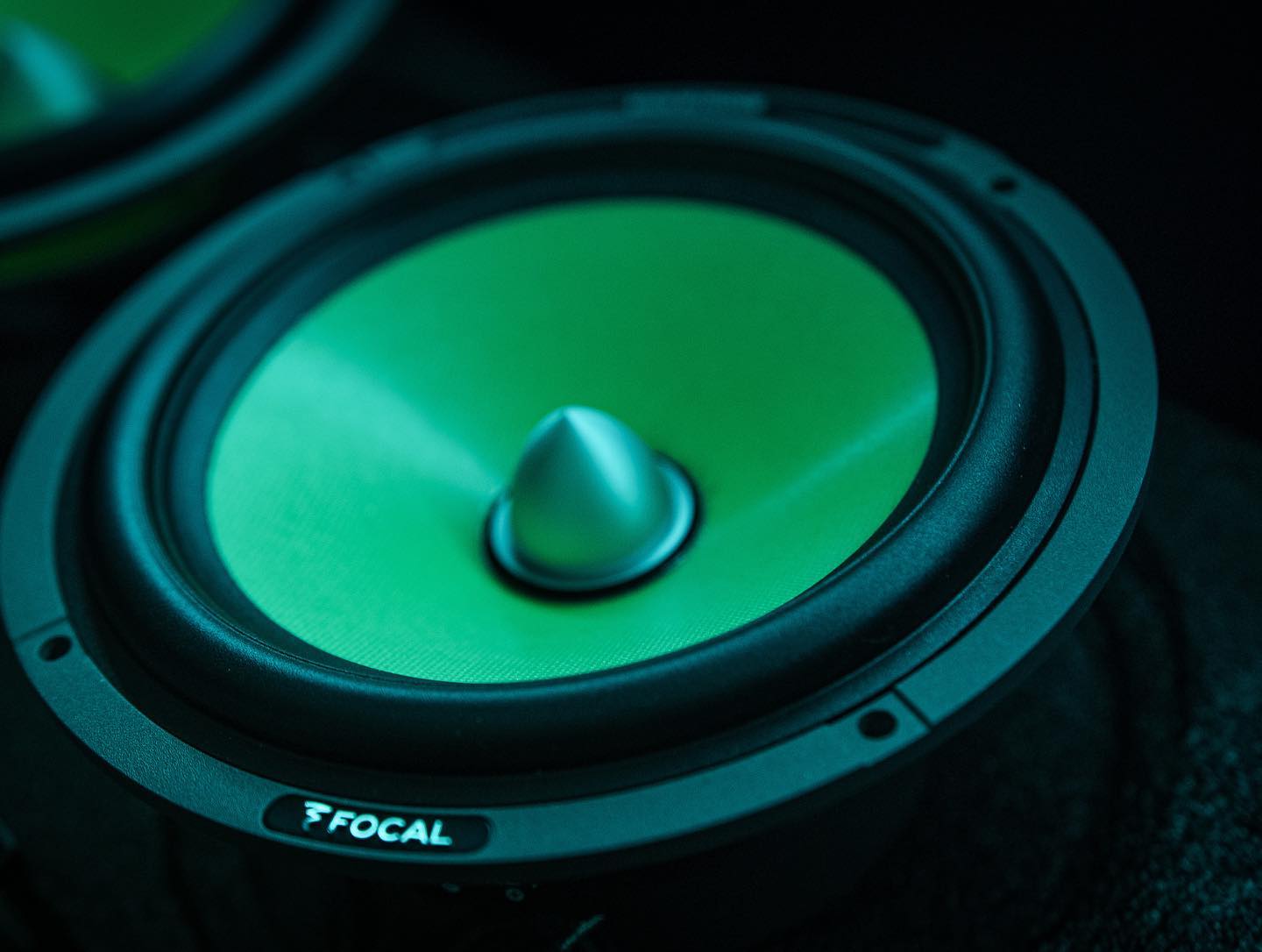
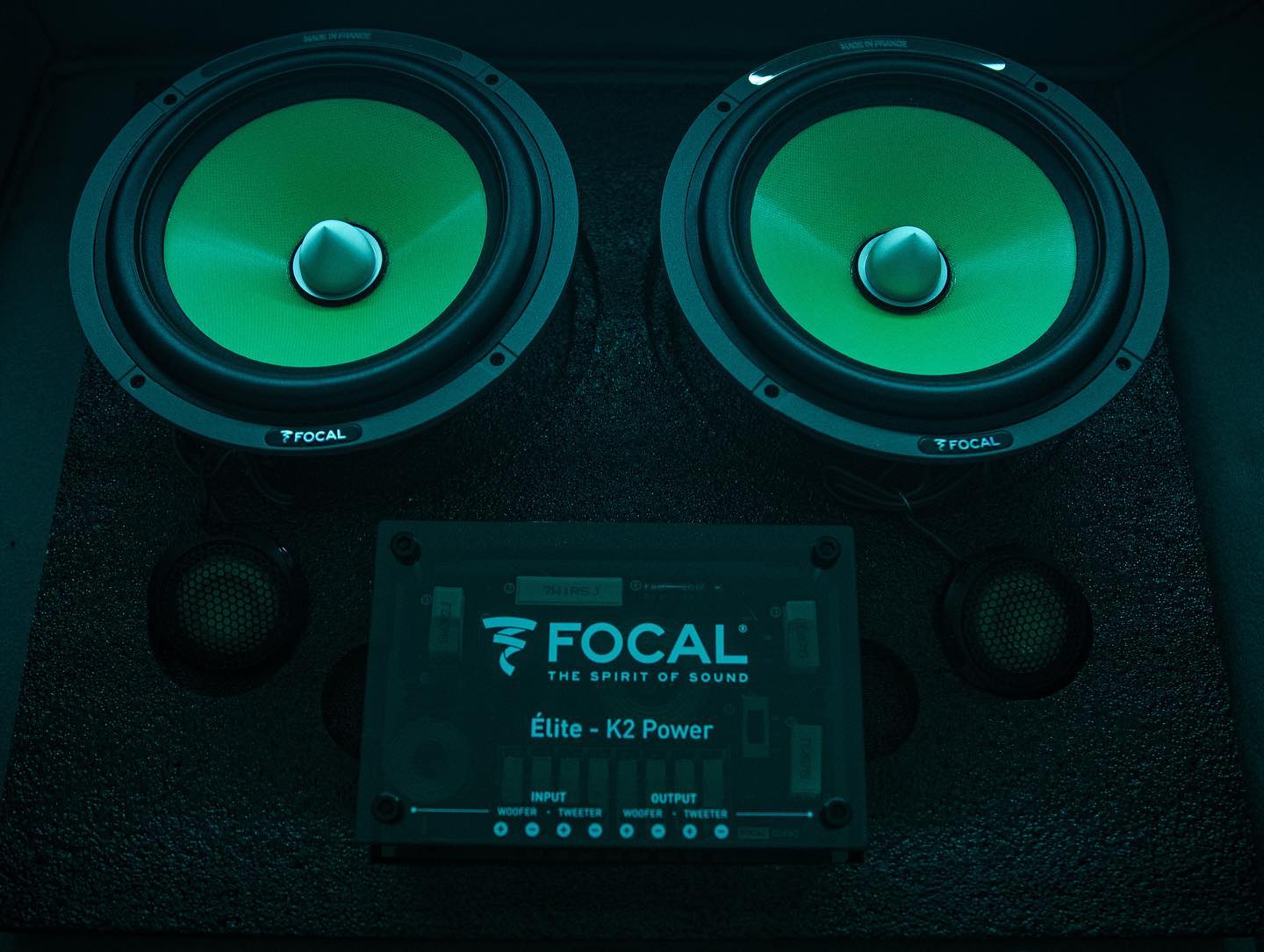
- Door speakers (per pair): $50 to $100 for a direct coaxial swap. Component speaker setups that require custom tweeter mounting in the dash or A-pillar run $150 and up.
- Amplifier: $100 to $250, depending on whether it's a single mono amp for a subwoofer or a multi-channel amp powering the full system.
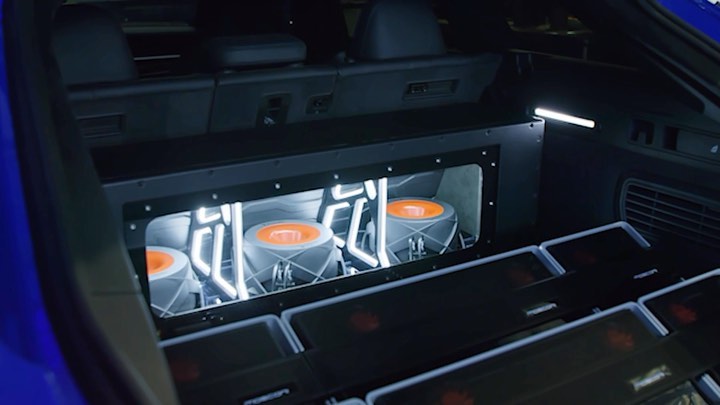
- Subwoofer: $100 to $200 for a pre-built enclosure. A custom-fabricated box sized to your specific trunk or cargo area adds shop time and typically pushes the number higher.
- Wiring, dash kits, and integration modules: $40 to $150. Modern vehicles with factory-wired steering controls, backup cameras, or chimes need a data interface module to keep those features working, and that's a real cost most quotes leave out until the day of install.
None of these figures include the parts themselves. A $50 labor charge on a $700 amplifier is still a $750 job.
What Actually Changes the Total
Vehicle complexity. A Tesla Model 3 or a BMW with a factory-integrated amplifier and digital signal processing takes longer to work around than a Toyota Tacoma with a straightforward aftermarket-friendly harness.
Custom fabrication. Building an enclosure to fit your exact trunk dimensions, or fabricating a mounting location that doesn't exist from the factory, adds real hours that a pre-built box or bolt-in kit doesn't.
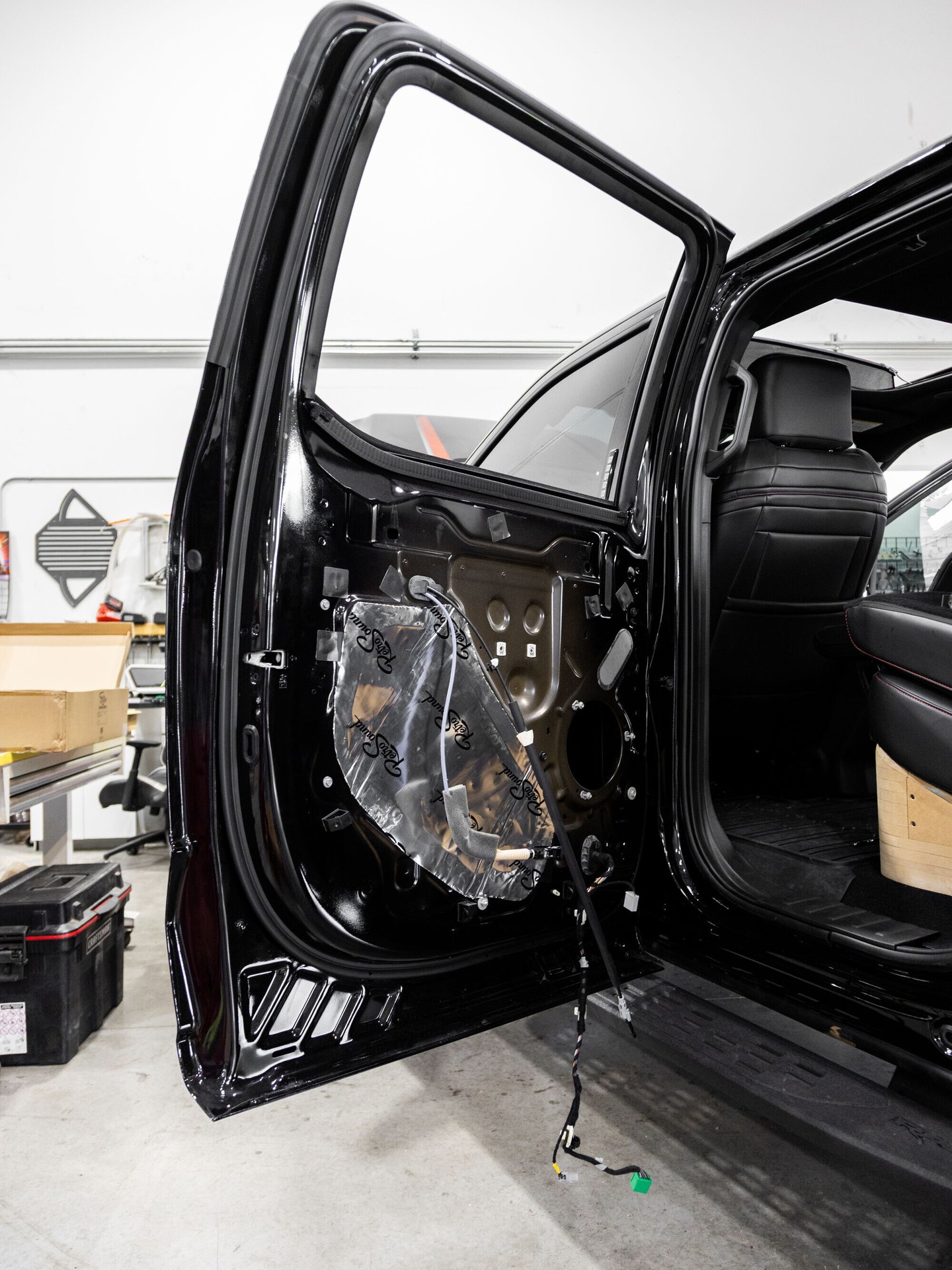
Sound deadening. Adding deadening material to the doors before mounting new speakers is optional labor, but it's the difference between speakers that sound tight and speakers that rattle the door panel at volume.
Tuning. A system that's wired correctly but never tuned to the cabin will still sound flat. Professional tuning is usually bundled into a full install rather than billed separately, but it's real time on the bench.
Real Installs, Real Numbers
Toyota Tacoma, front and rear speaker swap plus a 10" subwoofer: roughly $1,650 in parts and labor combined.
Range Rover Sport, full component system with dual subwoofers and OEM integration: roughly $7,200.
Porsche 911, front component speaker upgrade replacing a factory Burmester setup: roughly $2,400.
Tesla Model 3, front and rear component upgrade with a subwoofer and OEM integration: roughly $3,800.
Ford Bronco, component upgrade with a subwoofer specced around soft-top compatibility: roughly $2,900.
Lifted F-150, full system with marine grade components in the cab and bed: roughly $4,500.
These aren't installation-labor-only numbers. They're what it actually costs start to finish, because that's the number that matters when you're deciding whether to move forward.
The Four Levels of Car Audio Upgrade
Level 1, "it just needs to sound less bad", $500 to $900. A front component speaker swap running off the factory amp or a small four-channel amp. No subwoofer.
Level 2, "I want some bass", $1,200 to $2,200. Level 1 plus a single 10" or 12" subwoofer with its own amp, usually in an enclosure built to fit the trunk or the space under the rear seat.
Level 3, "I want it to sound great", $2,500 to $5,000. Components front and rear, a dedicated subwoofer and amp, full OEM integration so the factory head unit and CarPlay still work, deadening on all four doors, and professional tuning.
Level 4, "I want it to be the system", $5,000 to $15,000 and up. Reference grade components, dual subwoofers in custom enclosures, a multi-amp setup, processor based tuning and a full deadening package.
When DIY Actually Makes Sense
A basic head unit swap in a car with a simple factory harness is a reasonable DIY project if you're comfortable with a multimeter and a trim removal tool. Many entry-level brands build straightforward single-DIN units that don't require touching a factory computer.
Where DIY gets expensive fast is anything involving an amplifier, a subwoofer, or a vehicle with factory-integrated audio electronics. A wiring mistake on a system with a factory amp can trip a fault code, and undoing bad work costs more than the install would have in the first place. That's the honest line: simple swap, DIY is fine; anything with power and signal wiring, a professional install protects the investment.
Why We Install Full Systems, Not Just Parts
A lot of installers sell you a head unit or a speaker set and send you on your way. At Lusso, custom audio installation means the full build: head unit, speakers, amplifier, subwoofer, sound deadening, and tuning, all handled as one system instead of a pile of parts wired together. We work with JL Audio, Focal, Mosconi America, Gladen Audio America, Wāvtech, Retro Sound, Musway, and Morel Hifi, and every install includes proper OEM integration so your factory CarPlay, backup camera, and steering wheel controls keep working.
Want a real number for your vehicle instead of a range? Request a quote or schedule a consultation and we'll walk you through what your specific build actually costs.