The right car speakers come down to matching three things to your vehicle and your goal: the speaker type, the actual mounting fitment, and enough clean power to drive them properly. Nail those three and almost any reasonable speaker will sound good in your car.
Most people start this decision backwards. They open a spec sheet, get lost in RMS ratings and frequency response numbers, and pick whatever has the biggest numbers in their price range. That's not how it actually works in the shop.
Figure Out What's Actually Wrong With Your Sound First
Before touching a single spec, ask what's actually bothering you about the sound right now. Muddy vocals and weak mids point you toward better mid-range speakers and a cleaner signal. No bass at all points toward adding a subwoofer eventually, not just louder front speakers. Distortion at volume usually means the factory system is underpowered, not that the speakers themselves are bad.
That answer changes what "best" even means for your build. A daily commuter who wants clean, balanced sound needs a different setup than someone chasing a heavy bass presence. Get the goal straight first, and the type, size, and power decisions below get a lot easier to make.
Coaxial vs. Component Speakers: Which One You Actually Need
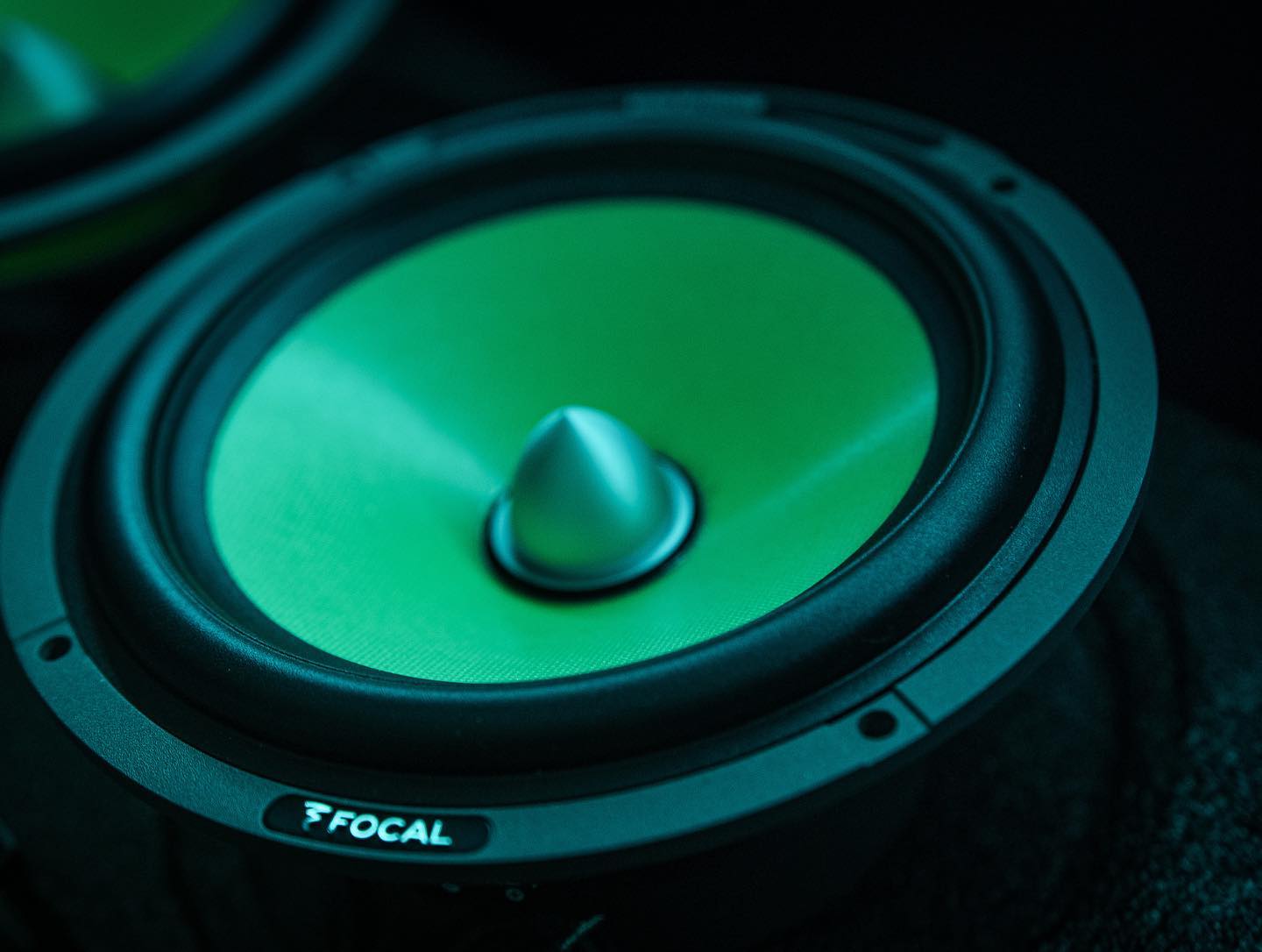
A coaxial speaker puts the woofer and tweeter in one housing. It's the simplest upgrade, usually drops straight into a factory location, and costs less because there's no external crossover to plan around. For a straightforward factory-speaker swap, this is the practical call.
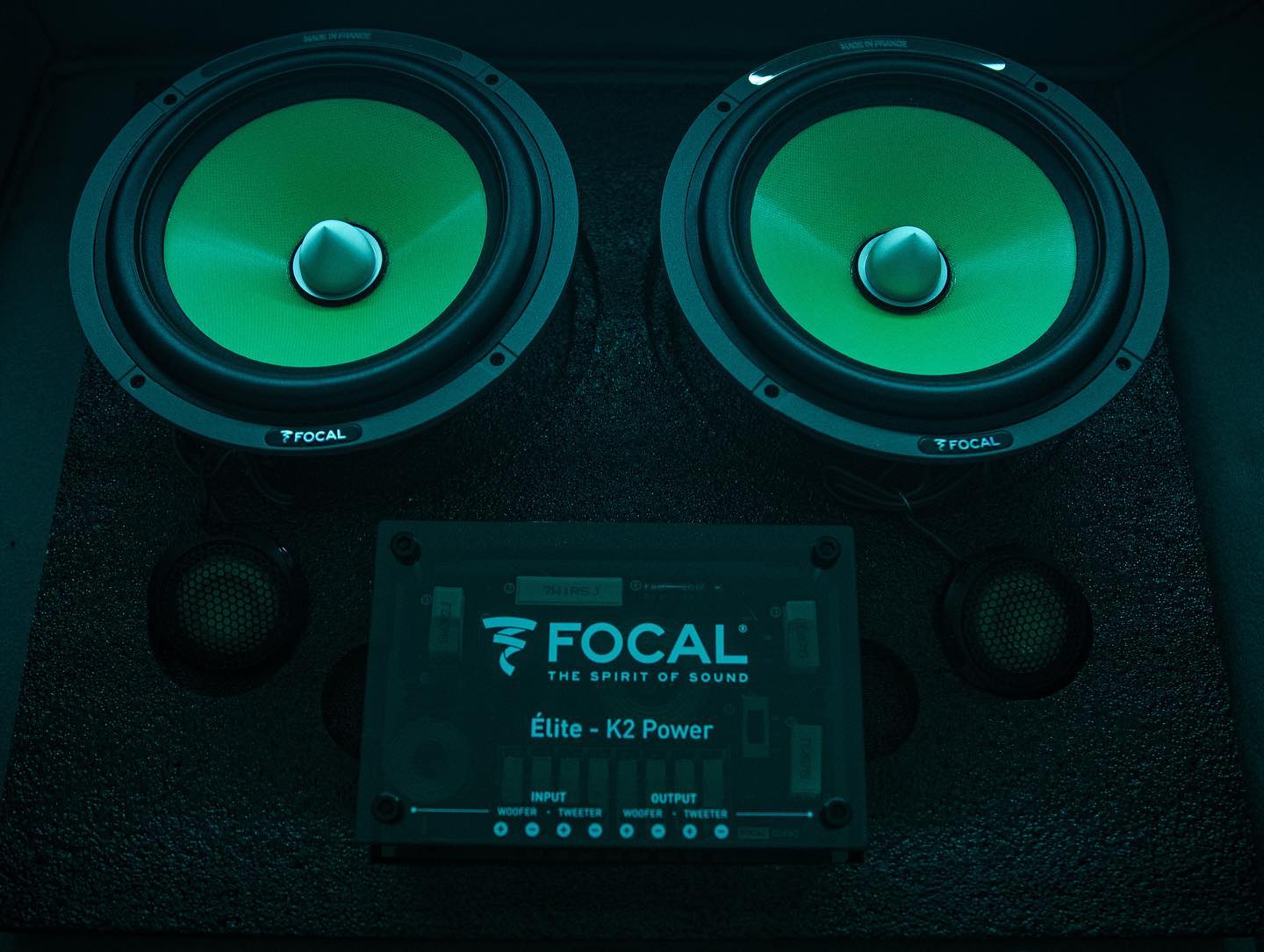
A component speaker separates the woofer and tweeter into two physical pieces wired through an external crossover. The tweeter mounts higher, closer to ear level, which is what actually improves imaging and detail over a coaxial setup. It costs more and takes more install time, but if sound quality is the whole point of the upgrade, this is where the real difference lives.
Why the Right Size Speaker Still Might Not Fit
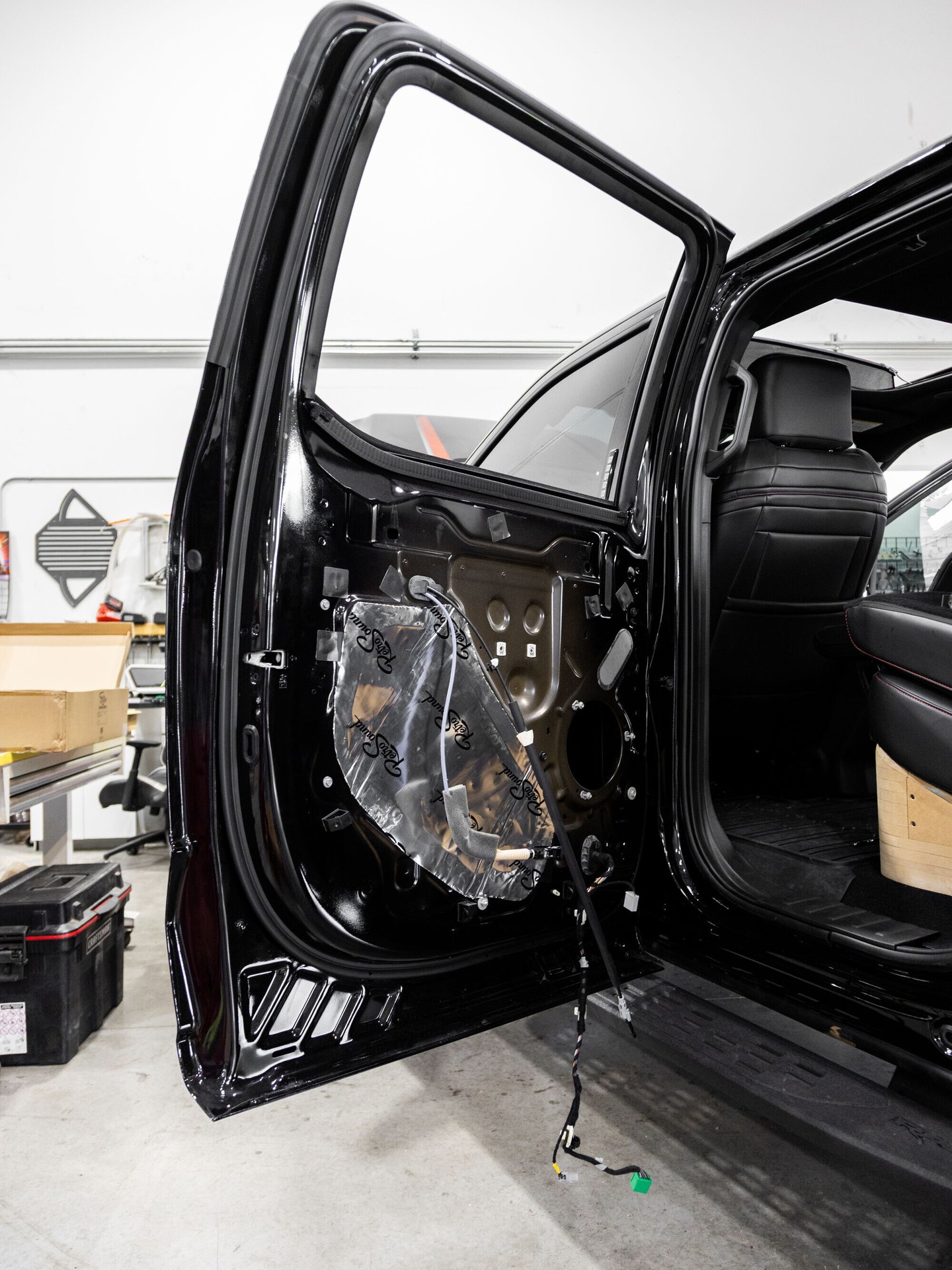
Speaker size, 4", 5.25", 6.5", 6x9", tells you the cone diameter your factory location takes. What it doesn't tell you is mounting depth, and depth is where upgrades actually go wrong. A speaker can be the correct diameter and still not physically fit if it's too deep for the door cavity, hitting the window regulator or wiring behind the panel.
This is the single most common reason a speaker that looked correct on a spec sheet doesn't work once it's in hand. The only way to know for certain is to measure the actual mounting location, or better, have someone who does this daily pull the door panel and check before you order anything.
RMS Power, Sensitivity, and Impedance Explained
RMS power is the continuous power a speaker handles without damage, and it's the number worth paying attention to. Peak power is a marketing figure representing a brief burst the speaker survives, not what it sounds like running normally, so a speaker rated 50 watts RMS and 200 watts peak is, for any real purpose, a 50-watt speaker.
Sensitivity tells you how loud a speaker gets per watt of power. A higher sensitivity speaker plays louder off less power, which matters a great deal if you're running speakers straight off a factory head unit with no external amp behind them.
Impedance has to match your source. Most car speakers run 4 ohm, and pushing the wrong impedance against an amplifier that isn't built for it causes overheating or shutdown rather than better sound.
Do You Need an Amplifier With Your New Speakers?
A factory head unit typically puts out 15 to 20 watts per channel, well under what a quality aftermarket speaker is built to use. New speakers alone, with no amp behind them, will sound noticeably better than factory. They won't come close to what the same speakers do once a modest external amplifier is driving them.
If you're swapping speakers on a tight budget, it's fine to skip the amp for now and add it once funds allow. If the real goal is the full jump in sound quality, plan for the amp from day one instead of treating it as an afterthought you'll get to eventually.
Should Your Front and Rear Speakers Be the Same Brand?
Voice-matching, running the same brand and series front and rear, keeps the tonal character consistent throughout the cabin. Mismatched brands front to rear can sound disjointed, especially on systems that fade audio between the front and rear stages. On a tight budget, upgrade the fronts first since they carry most of what you actually hear, then bring the rears up to the same series when you're ready.
Check Fitment Before You Buy, Not After
Type, size, and power handling only tell part of the story. What actually determines whether any of it works is confirming fitment and wiring compatibility on your specific vehicle before you buy, not after the box shows up.
Speaker adapter brackets, wiring harness adapters, and factory amplifier integration modules are often required and almost never show up on a retail spec sheet. Ordering off a chart alone, without checking what your particular vehicle needs to make that speaker actually function, is how people end up with speakers that don't fit or don't sound right even though every number on paper looked fine.
That's the real case for a professional consultation over ordering blind online. Someone confirms your exact mounting depth, your factory wiring situation, and whether your vehicle needs an integration module before a single speaker gets ordered, not after. At Lusso Auto Design, every speaker upgrade starts with that check.
The Bottom Line on Choosing Car Speakers
Start with what you actually want to hear. Pick coaxial or component based on how far you want to take it. Confirm the real mounting depth, not just the diameter. Look at RMS over peak power, and plan for an amp if you want the full difference. Match front to rear when budget allows. Get an installer to confirm fitment before you buy, and you'll sidestep the most common reason speaker upgrades disappoint. For the rest of the decision, our installation cost breakdown and factory vs. aftermarket comparison cover what these speakers actually cost to install and where aftermarket genuinely wins.
Not sure which speakers are right for your vehicle? If you're comparing options for car audio installation in Las Vegas, request a quote or schedule a consultation and we'll check your fitment before you spend a dollar on parts.