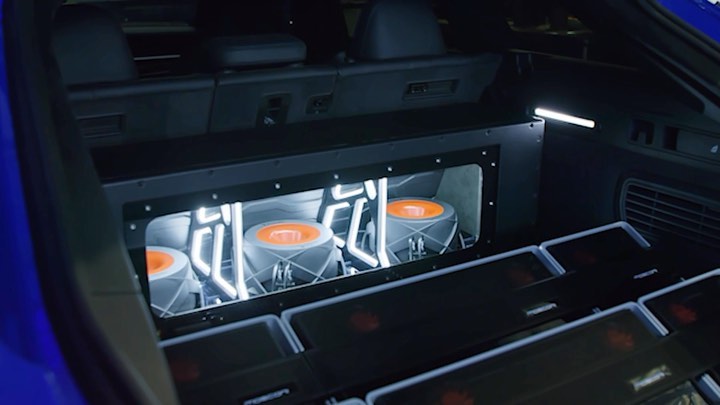
In the large majority of vehicles, aftermarket speakers outperform factory speakers because they're built with better materials and designed to handle real power. The exceptions are a small number of genuine premium factory systems, and even those depend heavily on how well everything is installed and integrated.
Pull the door panel on almost any car and you'll find the same thing: a speaker built to a cost target, not a performance target. That's not a knock on the manufacturer. Automakers build a car to sell at a certain price, and the speaker is one of hundreds of components competing for that budget.
What Factory Speakers Are Actually Built With
Paper cones. Most factory speakers use a paper composite cone. It's light and cheap to manufacture, but it flexes under real power and breaks down faster than stiffer materials.
Foam surrounds. The ring around the cone that lets it move is usually foam, not rubber. Foam dries out and cracks over time, especially under sustained heat, and once it cracks the speaker loses air seal and gets flabby in the low end.
Small magnets. A bigger magnet gives a speaker more control over the cone at higher volume. Factory speakers typically use the smallest magnet that gets the job done at low, safe volume levels.
This isn't a guess. Pull a factory speaker from a 2000s-era GM vehicle, even one advertised with an upgraded factory audio package, and you'll usually find the same paper cone and foam surround construction as the base speaker, just a slightly different size. The badge changes. The core materials often don't.
Where Aftermarket Speakers Win
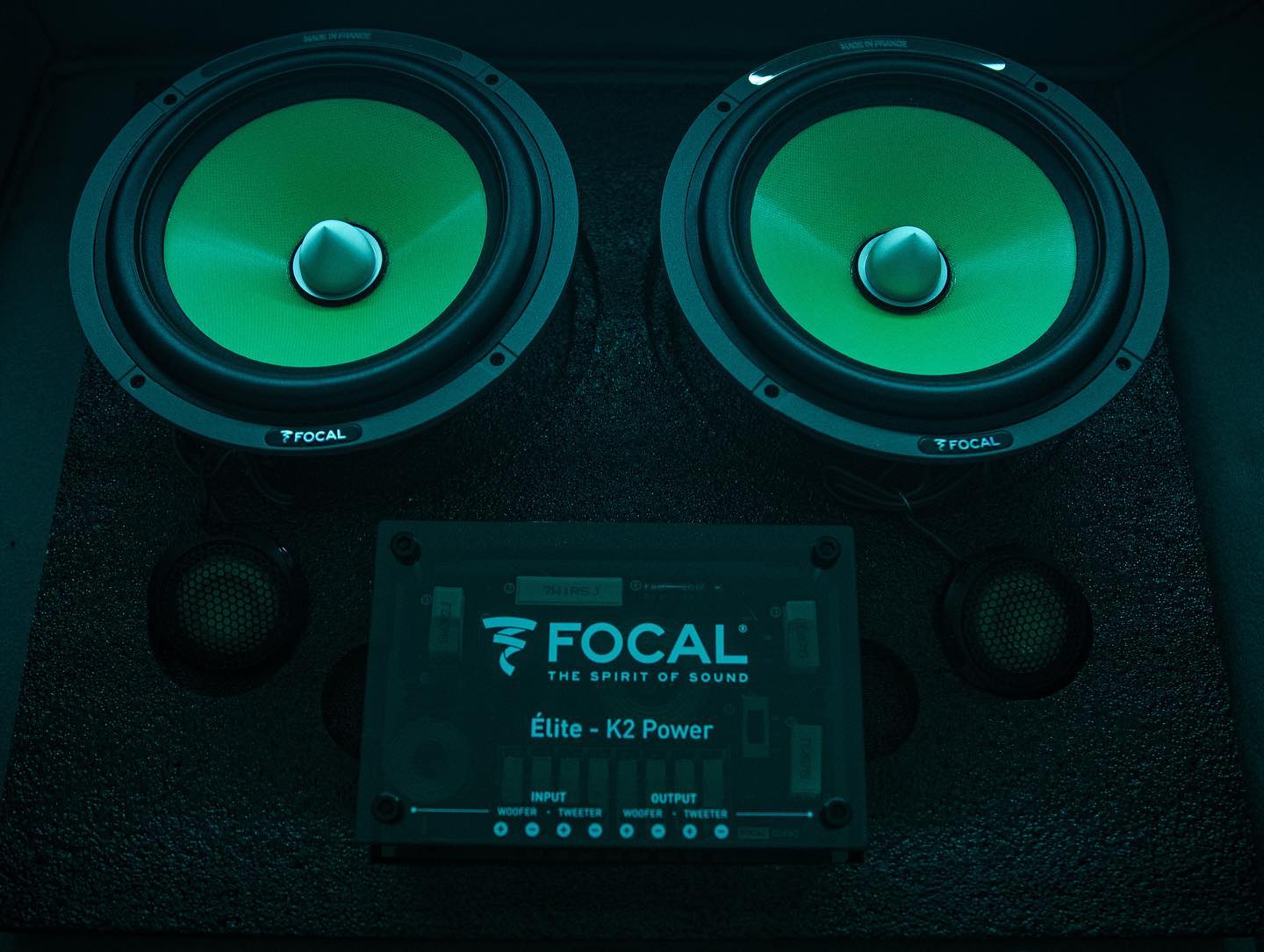
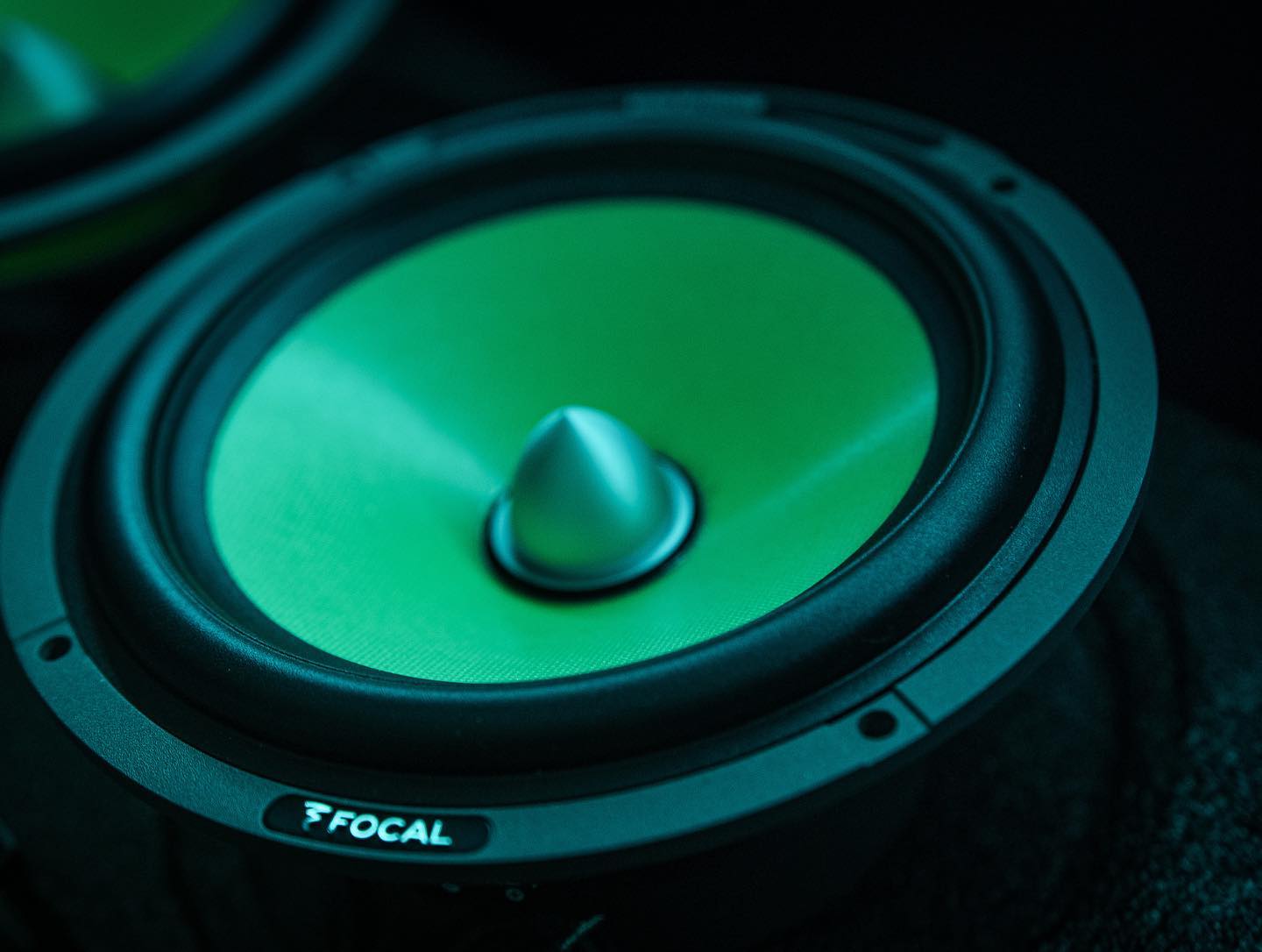
Better cone materials. Polypropylene, woven fiberglass, and other composite cones used in aftermarket speakers from brands like Focal, JL Audio, and Morel Hifi hold their shape under real power instead of flexing and distorting.
Rubber surrounds. Rubber doesn't dry out and crack the way foam does. A speaker with a rubber surround keeps its seal and its bass response for years longer than one with foam.
Real power handling. Aftermarket speakers are built to take power from an external amplifier, not just the 15 to 20 watts a stock head unit puts out. More usable power means cleaner sound at real listening volume, not just at low volume.
Wider, more accurate frequency response. A dedicated tweeter reproducing highs and a dedicated woofer reproducing lows will always separate detail better than one small cone trying to do both.
None of this means every aftermarket speaker automatically sounds better than every factory speaker. A $40 speaker with no amplifier behind it and no proper crossover can still sound worse than a decent factory unit. The materials give aftermarket speakers a real ceiling, but reaching that ceiling depends on the rest of the system.
The Honest Exception: Real Premium Factory Systems
A small number of factory audio systems are genuinely well engineered, not just well branded. Harman Kardon in certain Subaru models, Mark Levinson in Lexus, McIntosh, Burmester, and Bang & Olufsen systems are tuned specifically to their vehicle's cabin, often with a dedicated factory amplifier and processing that a badge-only "upgraded" package doesn't have.
If your car has one of these, replacing the speakers alone usually isn't the right move. In that case, the smarter upgrade is often adding a subwoofer or a dedicated processor rather than tearing out a system that's already tuned well.
Why the Install Matters More Than the Speaker Itself
Here's the part most comparisons skip: swapping in good speakers doesn't guarantee good sound if the rest of the system isn't matched correctly.
Voltage mismatch is a real problem. Some factory systems, like Bose and certain GM Monsoon setups, run their speakers off a factory amplifier expecting a specific input voltage. Drop in an aftermarket head unit or amp without accounting for that, and the mismatch can actually make the system sound worse, not better, even with better speakers installed.
Crossovers need to be right for the space. A tweeter and woofer need a crossover point tuned to where they're mounted in your specific vehicle, not a generic setting.
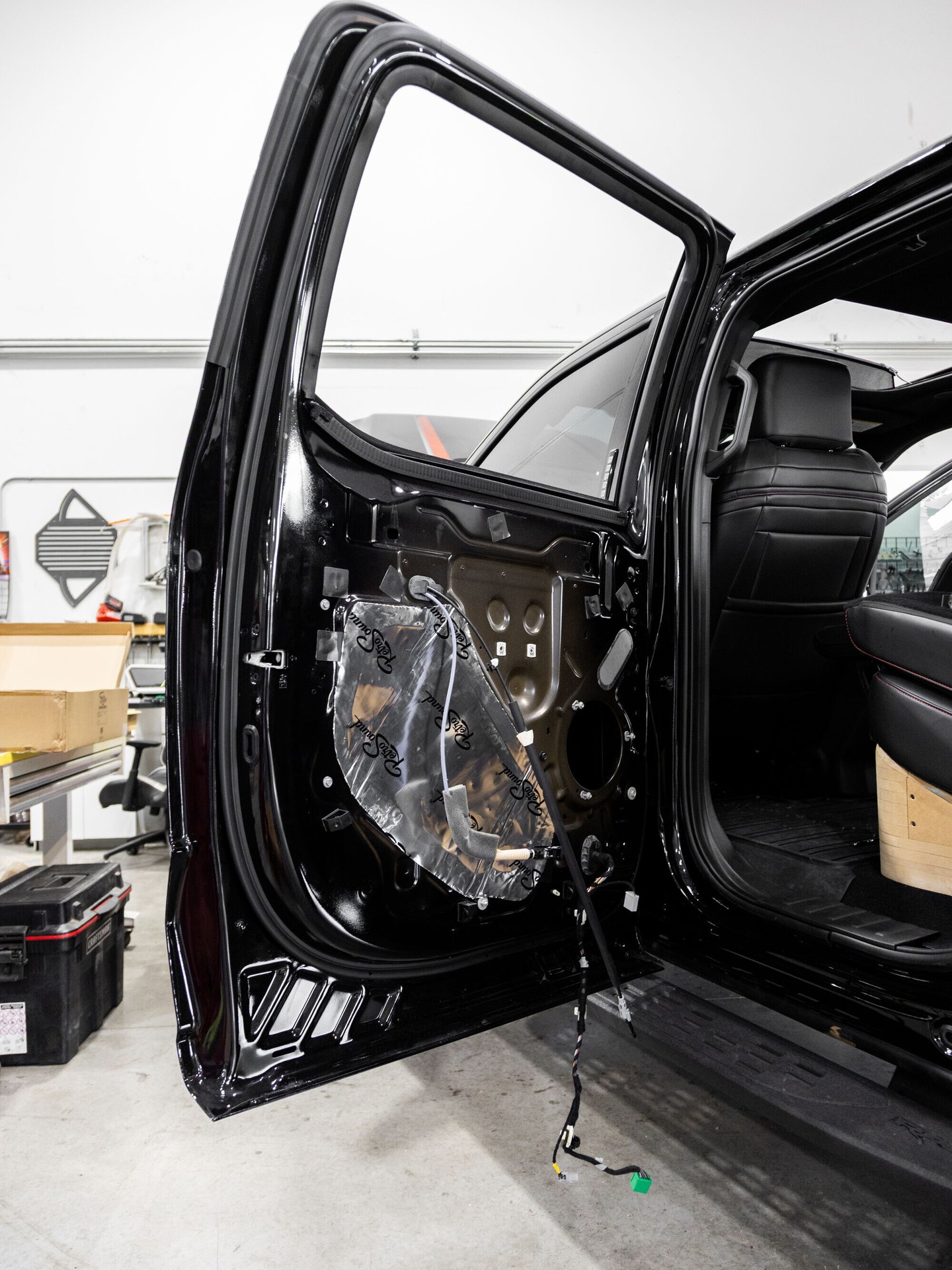
Wiring and integration determine whether your features still work. A rushed speaker swap that splices into factory wiring can affect steering wheel controls, chimes, or backup camera integration on modern vehicles.
This is the real argument for a professional install, not that a shop just knows which speaker brand to sell you, but that getting the power, the wiring, and the tuning right is what actually delivers the improvement the better materials are capable of. At Lusso Auto Design, every speaker upgrade is installed with the correct amplification, proper OEM integration, and real tuning, not just bolted in and left alone.
The Simple Way to Decide
If your factory speakers are stock, standard-grade units (which is true for the overwhelming majority of vehicles on the road), aftermarket speakers installed and powered correctly will outperform them. If you have one of the handful of genuine premium factory systems, talk to an installer before ripping it out. Either way, the speaker is only half the equation. For real pricing on what a properly installed system costs, our car audio installation cost guide breaks it down component by component.
Want an honest read on your specific vehicle instead of a general answer? Whether you're weighing car audio installation in Las Vegas or just want a second opinion, request a quote or schedule a consultation and we'll tell you straight whether your factory system is worth keeping.