PPF, short for Paint Protection Film, is a thin, physical polyurethane film applied to your car's paint. It's not a liquid coating you wipe on and buff off. It's a real, physical layer that sits between your paint and everything the road throws at it, rock chips, debris, minor scratches, and general wear. For Las Vegas drivers dealing with real highway miles and desert road debris, that distinction between a film and a coating is worth understanding before you decide what your car actually needs.
What Is PPF Made Of?
The adhesive layer is what bonds the film to your paint. A good adhesive holds securely but still allows repositioning during installation, and it shouldn't leave residue or damage behind when the film eventually comes off.
The TPU core, short for thermoplastic polyurethane, is the actual body of the film. This is the layer doing the physical work of absorbing impacts and resisting scratches.
The top coat sits on the outer surface and handles stain resistance, UV resistance, and the self-healing properties modern films are known for.
There's also a release liner, a temporary backing that protects the adhesive before installation and gets removed as part of the process, not something that stays on the car. You'll also hear PPF called a "clear bra," an older nickname for the same product that's stuck around in everyday conversation.
How Does PPF Work?
PPF works as a sacrificial barrier. Instead of a rock kicked up on the highway hitting your factory paint directly, it hits the film first. The film absorbs that impact, and your paint underneath stays intact.
What Does PPF Protect Against?
Rock chips from highway driving are the most common reason people get PPF in the first place. Road debris more broadly, not just rocks but general highway grit, gets stopped by the film instead of your paint. Bug splatter, bird droppings, and tree sap are all things the film takes instead of your clear coat, which matters since some of these are acidic enough to etch paint if left sitting. Minor scratches from everyday contact, a shopping cart, a low branch, get absorbed by the film rather than showing up on your actual paint.
Self-Healing Explained
Modern PPF includes a top coat that can self-heal minor surface scratches and swirl marks using heat, whether that's direct sunlight, warm water, or a heat gun during maintenance. It's a genuinely useful feature, but it has real limits. Self-healing addresses light surface marks, not deep cuts, punctures, or anything that's actually damaged the film's structure. If you're picturing PPF as a material that erases any damage on its own, that's overselling what it actually does.
What PPF Doesn't Protect Against
This is worth saying plainly rather than glossing over. PPF is not a shield against everything. Major collision damage is well beyond what a protective film is built to absorb, full stop. Deep punctures or cuts that go all the way through the film can still reach the paint underneath. And in general, damage that exceeds what a thin protective layer can physically handle will still affect your car, film or no film. PPF is genuinely effective at what it's designed for, reducing everyday wear and chip damage, but it isn't armor against a real impact.
PPF vs. Vinyl Wrap vs. Ceramic Coating
These three get confused constantly, and the distinction is simple once it's stated plainly. PPF is protection-first: a physical film built to absorb impact. A vinyl wrap is appearance-first: thinner material meant for a color or finish change, without the same impact resistance. Ceramic coating is a chemical bond, not a physical film: it adds gloss and makes maintenance easier, but it doesn't provide the same rock-chip protection PPF does. If you want the full comparison, we've broken down PPF vs. ceramic coating and how all three stack up against each other in full elsewhere.
Installation: What Actually Happens
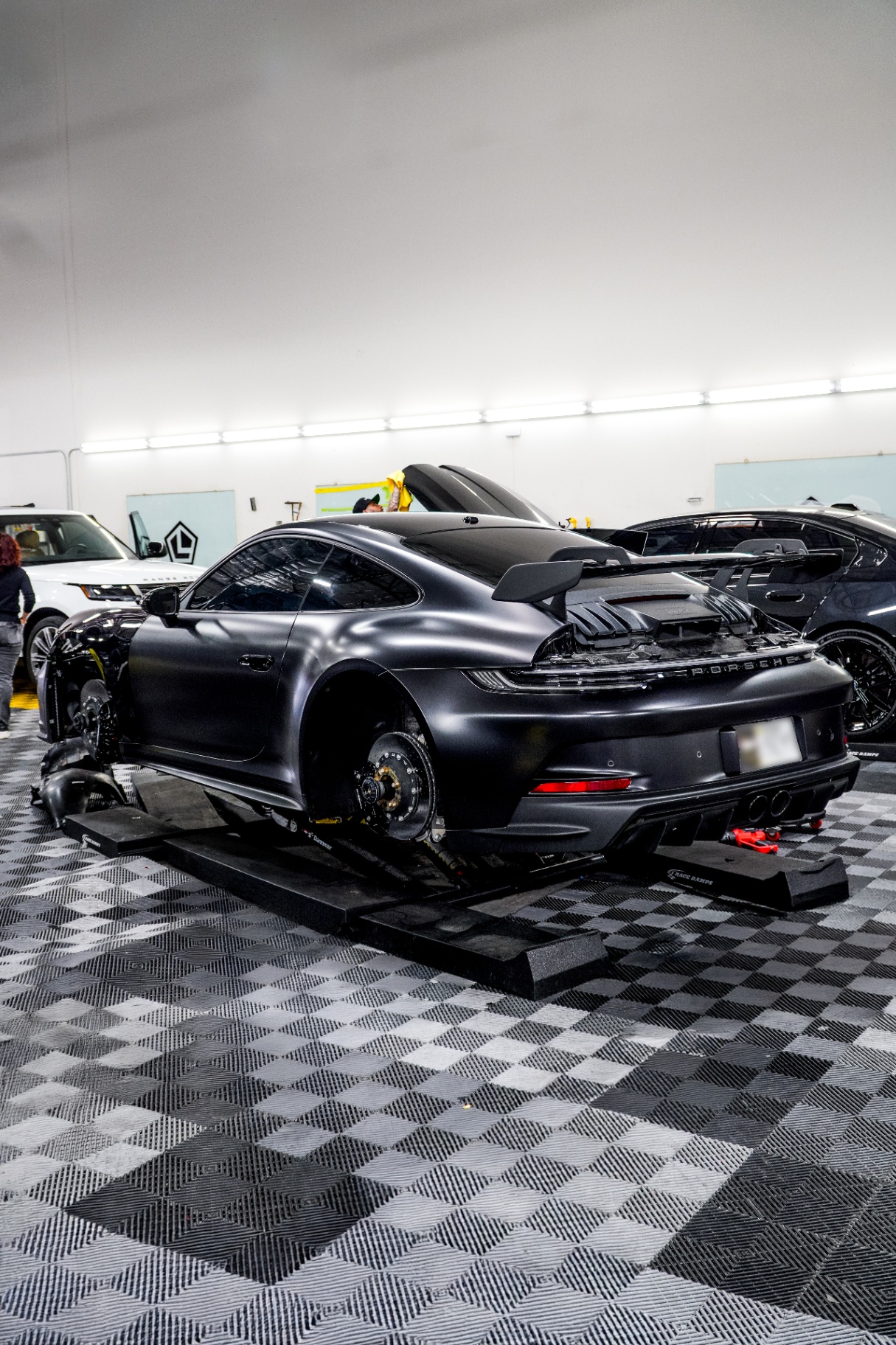
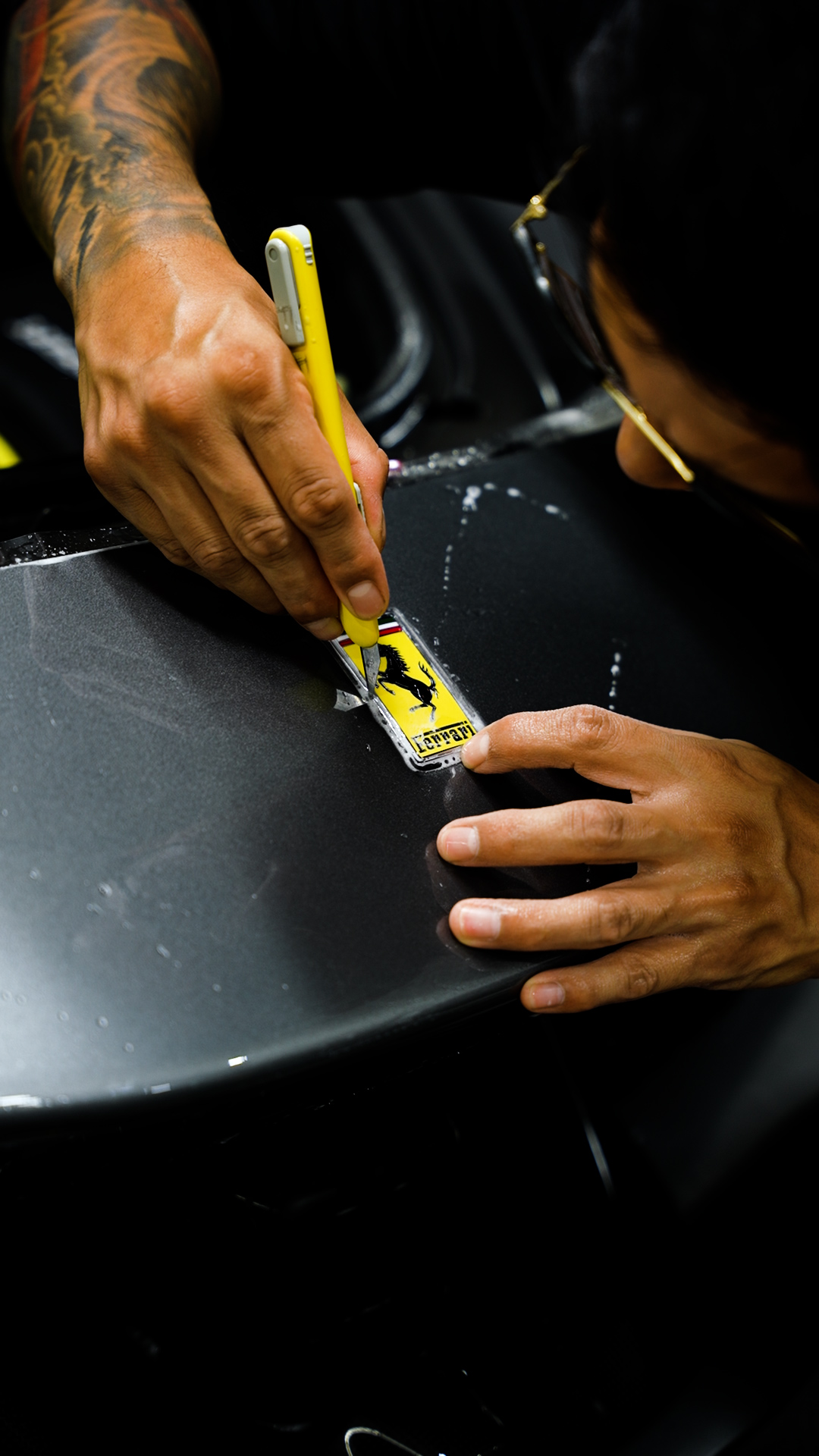
A real PPF install isn't just sticking film onto a car. It starts with an inspection of the current paint condition, followed by a proper wash and decontamination to make sure nothing gets trapped under the film. If the paint needs it, correction work happens before any film goes on, since PPF applied over existing swirls or imperfections locks those in rather than fixing them. Then comes the actual film application and edge work, followed by a curing period before the car should be washed normally.
Can PPF Go on a Used Car?
Yes, but it's worth having the paint actually assessed first. Existing chips, scratches, or prior paint work affect how the film sits and how it looks once installed. A used car isn't a problem for PPF, it just means the starting condition matters more than it would on a car straight off the lot.
Getting the Right Coverage for Your Vehicle
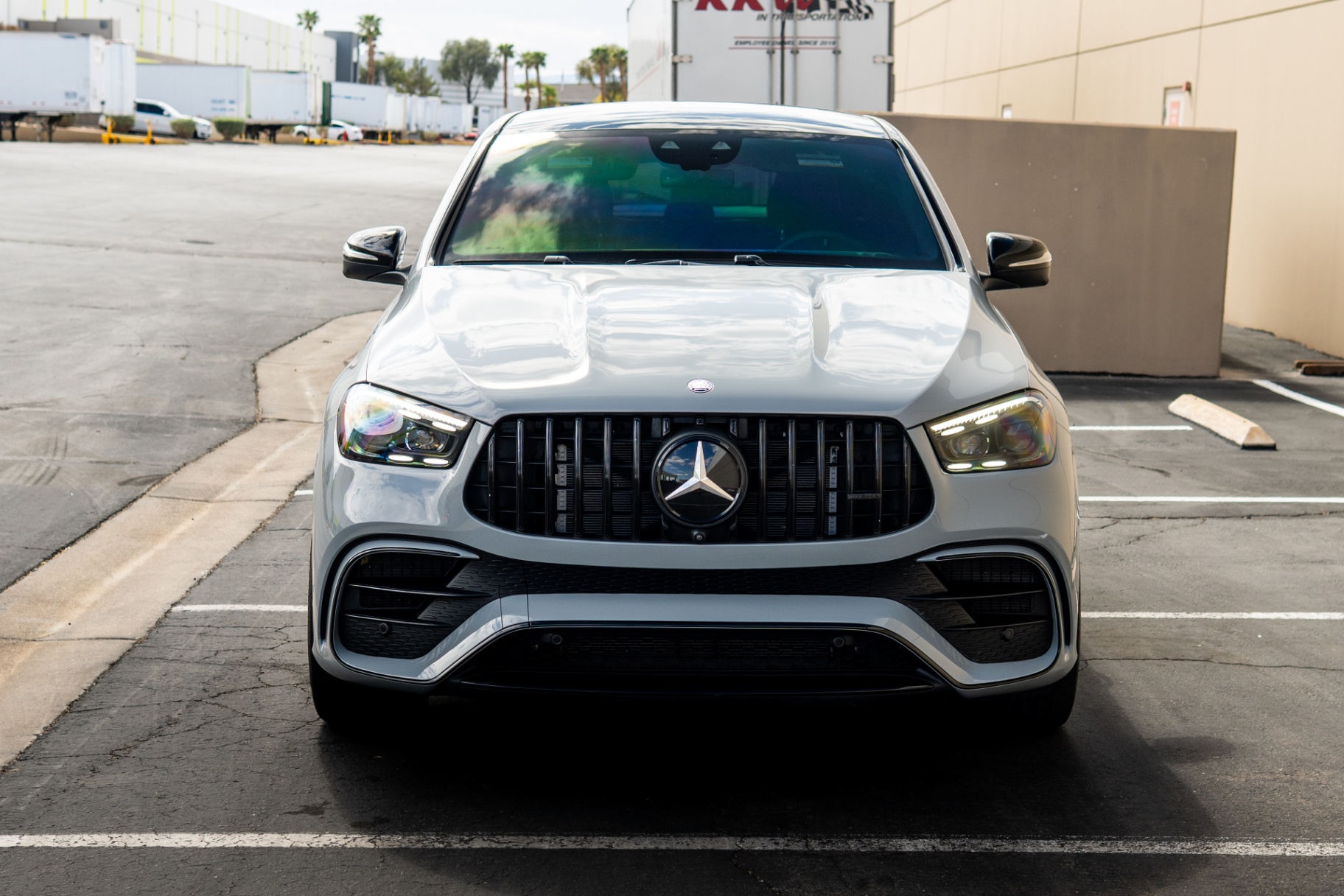
How much of your car actually needs PPF, and what it costs, depends on your specific vehicle and how you drive it. Take a look at our PPF services, check our full cost breakdown, or book a consultation and we'll walk you through what makes sense for your car. For coverage options, finish types, and everything else beyond the basics covered here, see our complete PPF guide.
Frequently Asked Questions
What does PPF stand for?
Paint Protection Film.
Is PPF the same thing as a "clear bra"?
Yes, "clear bra" is an older, common nickname for the same product. Most people who use that term have heard it in passing without knowing the technical name.
Does PPF damage new car paint?
No, properly installed and properly removed PPF doesn't damage paint that was in good condition to begin with. It's designed to protect the paint underneath, not affect it.
Can PPF be removed without damaging the paint underneath?
Yes, when it's removed correctly by someone experienced. Paint that wasn't factory-applied, or that was already chipped before the film went on, carries some real risk during removal, which is why this isn't a good DIY project.
How long does PPF actually last?
Quality film, properly installed and maintained, holds up for years, though real Las Vegas sun exposure and how consistently you keep up with care both play a genuine role in how long it looks its best.