Window Tint Isn't One-Size-Fits-All
Walk into any tint shop in Las Vegas and you'll be handed a menu of options with varying film types, darkness levels, and price points. Most shops don't take the time to explain what those differences actually mean, they just quote you. This guide does the opposite.
Start with Film Type, It's the Most Important Decision
The film type determines how the tint performs. Darkness level only determines how it looks. Most people focus on the wrong thing first.
Ceramic Film
The highest-performing option available. Ceramic film uses nano-ceramic particles to block infrared heat and UV radiation without any metallic content. It rejects 50-60% of solar heat, blocks up to 99% of UV rays, doesn't interfere with cell signals or GPS, and doesn't fade or change color over time. This is what we recommend for every vehicle in Las Vegas.
Carbon Film
A strong alternative at a slightly lower price. Carbon film provides excellent heat rejection and a clean matte exterior appearance. No signal interference. Performs well in UV-heavy environments and doesn't fade like dyed film.
Dyed Film
The entry-level option. Provides privacy and some glare reduction, but doesn't meaningfully block heat, has limited UV protection, and will fade and potentially bubble within a year or two under Las Vegas sun. We offer it for clients with strict budget constraints, but always recommend stepping up to at least carbon.
Understanding Darkness: VLT Explained
Tint darkness is measured in VLT, Visible Light Transmission, expressed as a percentage. Lower VLT = darker tint:
- 50% VLT, Very light. Subtle factory look with basic UV protection.
- 35% VLT, The Nevada limit for the side windows immediately beside the driver. Moderate, clean look.
- 20% VLT, Dark. Commonly used behind the driver.
- 5% VLT, Very dark. Typically limited to glass behind the driver. Maximum privacy.
Nevada Window Tint Laws
Under NRS 484D.440, the 35% VLT rule applies to the side windows immediately beside the driver, subject to the tolerance written into the statute. Side windows behind the driver and the rear window are treated separately when the vehicle has compliant outside mirrors on both sides. Windshields can have a tinted strip across the top (above the AS-1 line) but cannot be fully tinted.
Source: NRS 484D.440. This is a general summary, not legal advice. Confirm current requirements for your vehicle before ordering film.
We install every tint job in compliance with Nevada law and advise clients on what's legal for their specific vehicle before any work begins.
Vehicle-Specific Considerations
Exotic and Luxury Cars
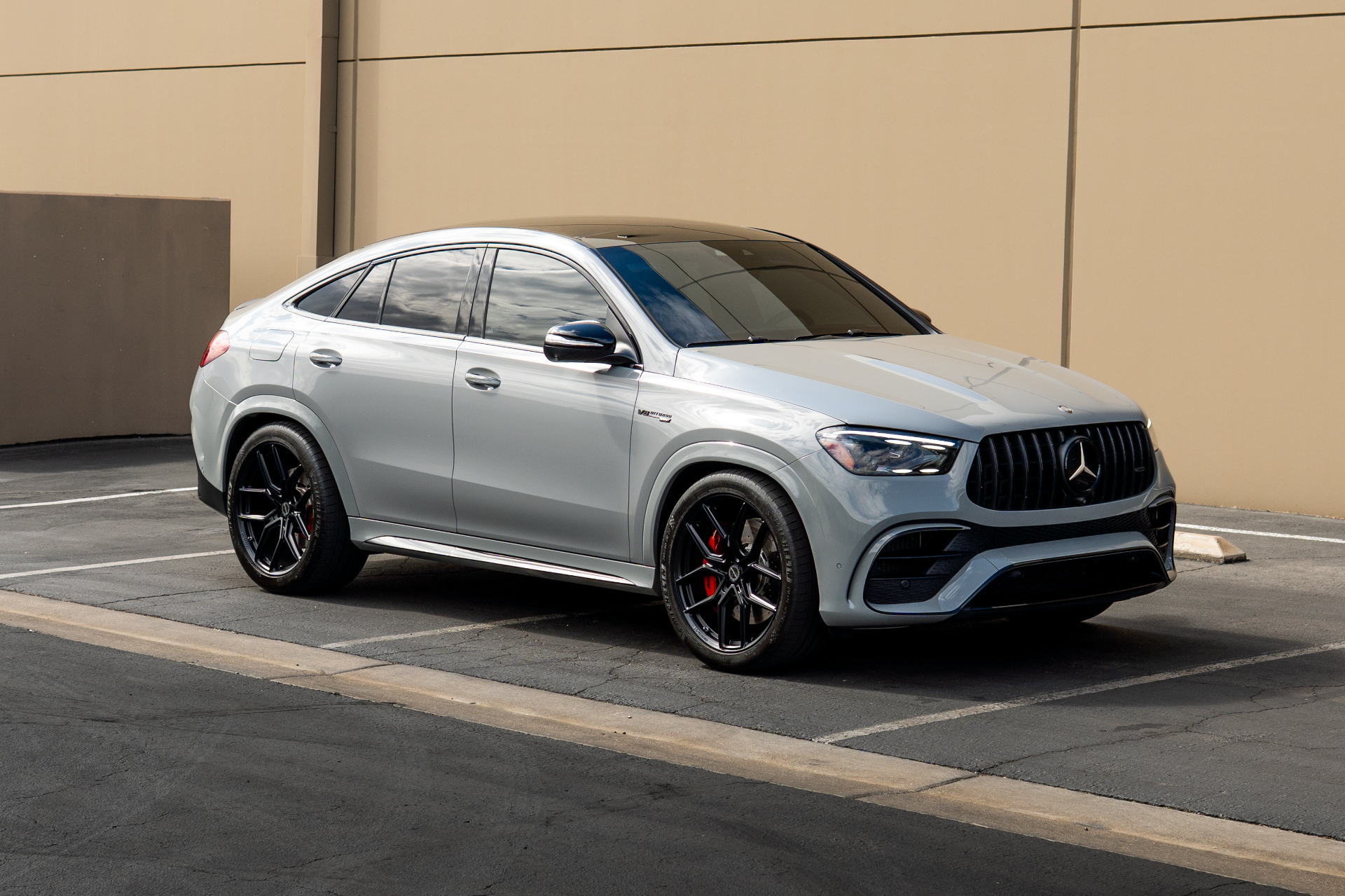
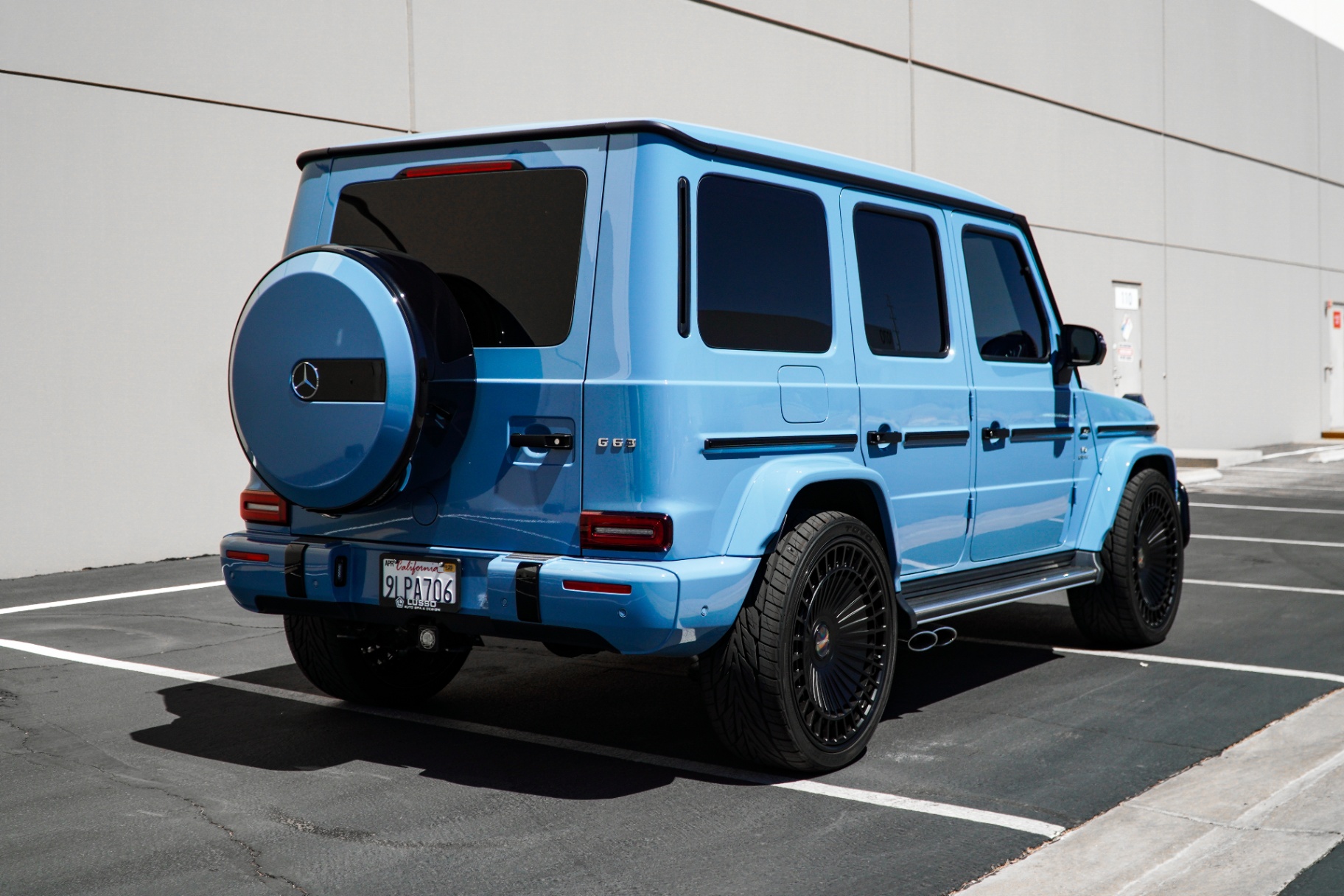
Vehicles with large glass surfaces, curved windows, or factory privacy glass require precision installation. Computer-cut templates specific to your vehicle's glass geometry, not hand-cut film, are essential for a clean result on complex window shapes. We use vehicle-specific templates for every install.
Trucks and SUVs
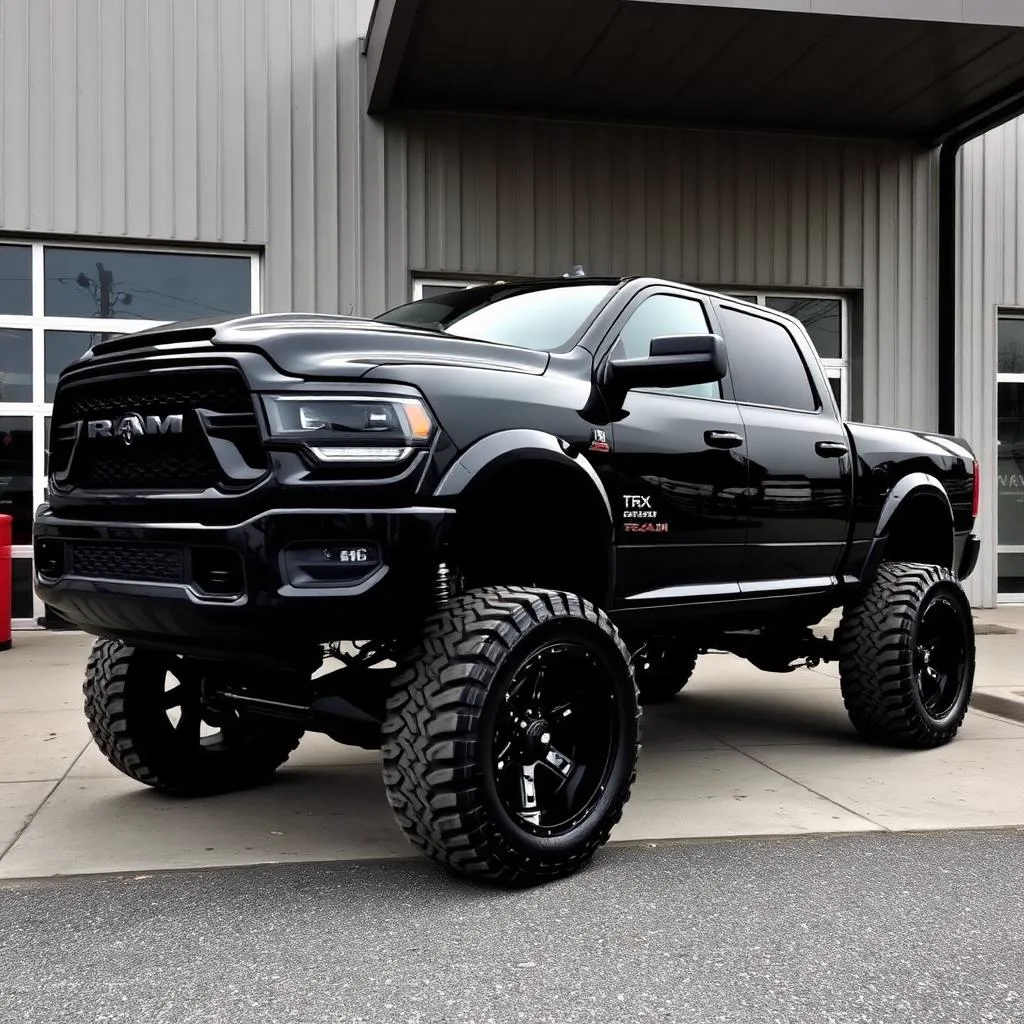
Many trucks and SUVs already have factory-tinted rear glass. You may only need front window tinting to match the rear. We'll assess the existing tint and match it or improve it depending on what you want.
Leased Vehicles
Quality window tint can be removed without damage when a lease ends. This makes tinting a worthwhile upgrade even on a leased vehicle, just make sure the film is professionally installed and properly removed when the time comes.
The Bottom Line for Las Vegas
Ceramic film at 35% VLT on the front windows is the baseline recommendation for most vehicles. Rear windows can go darker if you want more privacy. The film type matters more than the darkness level, a lighter ceramic film outperforms a darker dyed film in every measurable category that matters in this climate. Schedule a consultation or request a quote at Lusso Auto Design.